
AI Arms Race: Nvidia's Chips Now A Go for China Amid Geopolitical Tensions
The US government has now officially authorized Nvidia, a leading chip manufacturer, to sell its advanced artificial intelligence (AI) processors to China. This decision comes from the Department of Commerce and specifically involves the H200 chip, which had previously faced restrictions due to worries that it could enhance China’s technological and military capabilities. Conditions for the sale include maintaining a sufficient supply of the chips within the US, and the Chinese buyers must comply with specific security protocols forbidding military applications.
President Trump had hinted at easing restrictions last month and announced that his administration would allow sales to “approved customers” in China, with a hefty 25% fee on earnings collected by the US. Nvidia expressed positive sentiments about this decision, believing it could boost manufacturing and job growth in the United States.
However, this move has sparked a response from Beijing. A spokesman for the Chinese embassy criticized the decision as a “politicization and weaponization” of technology and trade, asserting that it undermines the stability of supply chains and global interests.
Nvidia finds itself in a precarious position amid the geopolitical tensions between the US and China, two key players in the global AI competition. While the US aims to restrict advanced technology transfers that could benefit China’s military capabilities, Chinese firms have reportedly been encouraged to source chips locally, signaling a desire to reduce dependency on foreign technology.
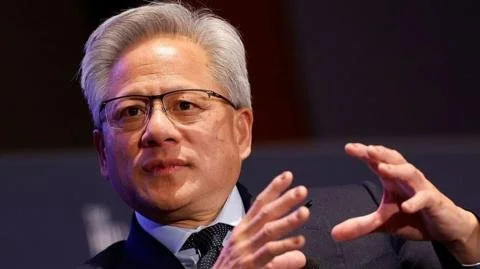
Despite the uncertainty, Nvidia CEO Jensen Huang has continuously advocated for the necessity of global sales for maintaining competitive advantage, warning that barrier-free markets are crucial for the US’s innovation landscape. The situation indicates growing friction, as US officials remain wary of the implications of supplying advanced technology amid national security concerns.
The decision also raises broader questions about trade tariffs, with experts suggesting that Trump’s sales fee could set a precedent for future governmental dealings in various sectors.