
Asia on the Economic Edge: Navigating the Aftermath of Trump's Tariff Repeal
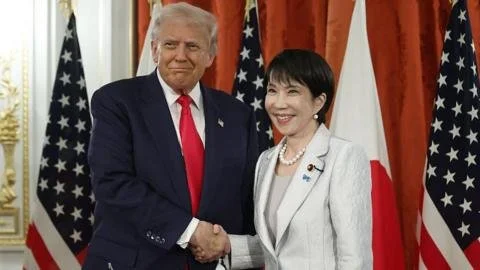
The economic landscape in Asia is shifting dramatically as nations respond to the unexpected repeal of Trump’s tariffs. Trade policies that once upheld certain barriers are now changing the dynamics between the U.S. and Asian countries. In the wake of this decision, Asian economies must rethink their strategies to remain competitive.
Background
Under Trump’s administration, tariffs were imposed on various goods, impacting trade relationships and causing a ripple effect across the globe. The sudden removal of these tariffs opens up previously restricted markets, providing an opportunity for countries such as China, Japan, South Korea, and India to strengthen ties with the U.S.
Impact on Trade Relations
China stands to benefit significantly as it may see increased exports to the U.S., potentially revitalizing a relationship that was strained under tariffs.
Japan and South Korea are also expected to find new avenues for economic collaboration, possibly enhancing their technological exports.
India, on the other hand, sees this as a chance to promote its goods and services, further integrating itself into global supply chains.
Challenges Ahead
While the tariff repeal opens doors, it also presents challenges. Asian economies must navigate global supply chain disruptions that were exacerbated during the pandemic. They will also have to address domestic industries that were protected by these tariffs, ensuring a balance between global integration and local stability.
The Road Ahead
In conclusion, the repeal of Trump’s tariffs marks a turning point for Asia. Countries must adapt by fostering innovation, improving production efficiencies, and strengthening economic partnerships. The stakes are high as nations scramble to harness these changes and secure a more lucrative position in the global market.