
Electric Cars: The Shocking Truth Behind Higher Insurance Costs!
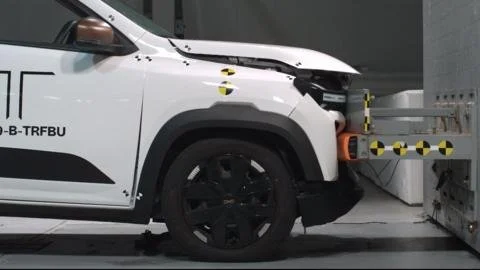
Electric vehicles (EVs) are gaining popularity, yet they come with a surprising downside: higher insurance premiums. Why is this happening, and what can owners expect?
Cost of Repairs: EVs often feature specialized parts and advanced technology that make them more expensive to repair in the event of an accident. This leads insurance companies to adjust premiums to account for these higher repair costs.
2. Battery Replacement: The battery packs in electric vehicles are not only costly to replace but also weigh significantly in the overall valuation of the vehicle. Damage to these components can lead to substantial payouts, prompting insurers to raise rates.
3. Market Trends: The growing market share of electric vehicles may also influence insurance costs. As demand increases, so too does the likelihood of accidents and complications, resulting in higher perceived risks.
4. Safety Ratings: Some studies suggest that while EVs generally have high safety ratings, the repairability following an accident can be complex, contributing to elevated insurance costs.
5. Government Incentives and Programs: Some regions are implementing initiatives to help offset insurance costs for EV owners. Seminars and discounts on premiums are starting to emerge as ways to encourage more consumers to make the switch to electric.
6. Future Prospects: As technology continues to improve and the market matures, insurance costs for electric vehicles may normalize. Insurers are reviewing their policies to better reflect the actual costs associated with EV ownership.
In summary, while higher insurance costs for electric cars can be a barrier for potential buyers, various measures and industry responses are being put in place to alleviate these financial concerns. With growing advancements in technology, the landscape of EV insurance may change significantly in the near future.