
Farewell to a Visionary: Zhu Rongji's Legacy in Transforming China's Economy
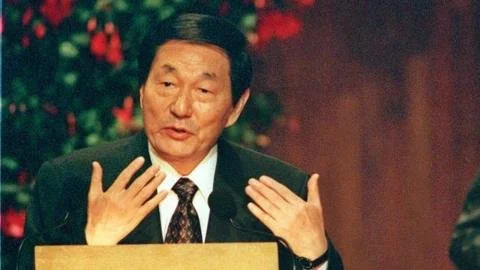
The world mourns the loss of Zhu Rongji, a pivotal figure in modern Chinese history, who passed away at the age of 97. A former Premier of China from 1998 to 2003, Zhu was instrumental in transforming China into a global economic powerhouse. His tenure marked a significant shift from a centrally planned economy to one more aligned with market principles, facilitating a period of explosive growth and development.
Zhu’s policies drastically lowered trade barriers, inviting foreign investment, and promoting export-led growth. Under his leadership, China joined the World Trade Organization (WTO) in 2001, a crucial step that integrated the country into the global trading system, further boosting its status on the world stage.
His pragmatic approach to reform was characterized by a commitment to fiscal discipline, state-owned enterprise reform, and a focus on improving infrastructure, which laid the groundwork for China’s rise as a major trading giant. Zhu also worked diligently to combat corruption, recognizing that a transparent system was vital for sustainable growth and attracting foreign investors.
Beyond economics, Zhu was known for his forthrightness and ability to negotiate, earning respect from both domestic and international leaders. He prioritized education and technology, acknowledging that investment in human capital was essential for future prosperity.
Zhu’s legacy is not only tied to his economic reforms but also to his vision of a modern China. He leaves behind a mixed legacy; while his contributions to economic growth are celebrated, they also raise questions about the social challenges that have arisen in the wake of rapid modernization. Zhu Rongji’s life and work encapsulate the complex journey of China as it navigates its role in the 21st century, leaving an indelible mark on history.