
Feta at Risk: Greece's Sheep and Goat Crisis Unfolds
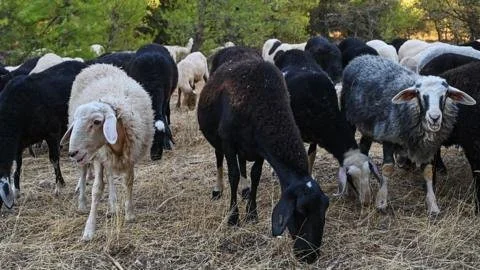
An urgent crisis is unfolding in Greece as hundreds of thousands of sheep and goats are culled in the wake of a viral outbreak of sheep and goat pox. This drastic measure, which saw 650 sheep from farmer Anastasia Siourtou’s operation killed in a single day, poses serious threats to Greece’s famed feta cheese production, a beloved national staple often referred to as the country’s ”white gold”.
The outbreak, first detected in August 2024, has led to the culling of over 417,000 animals, approximately 4-5% of the national population. This is particularly concerning for the dairy industry as 80% of Greek sheep and goat milk is utilized for feta cheese, which holds a protected designation of origin within the EU. In 2022 alone, feta exports generated €785 million for the country, predominantly to EU markets and the UK.
With substantial milk shortages already being reported and the price of feta likely to increase, dairy producers are sounding the alarm. Prof. Dimitris Gougoulis from the University of Thessaly highlights the looming challenge of sourcing sheep’s milk, which could severely affect the production costs and overall availability of feta.
Amidst the chaos, farmers are feeling both the financial and emotional impact of the culling. For many, like Tassos Manakas, who lost his entire herd of 873 sheep, the sorrow runs deep as their farms become silent, devoid of the animals that once brought them joy and income. Despite government compensation ranging from €132 to €220 per sheep, farmers claim these payments do not adequately cover their losses.
Criticism of the Greek government’s response has mounted, as there were significant delays in establishing a National Scientific Committee for managing the crisis, combined with accusations of understaffing and negligence in enforcing biosecurity measures. While calls for an emergency mass vaccination program are growing among farmers, the government remains hesitant, fearing that such actions could reclassify Greece as an endemic country, jeopardizing feta exports further.
The situation has become even murkier with reports of illegal animal transport and unauthorized vaccines, raising concerns about both health implications and the integrity of the dairy industry in the face of rising pressure to contain the outbreak. As farmers like Haris Seskliotis face the double blow of natural disasters and disease, many are contemplating new avenues for sustenance, illustrating the resilience of the agricultural community even in dire circumstances.