
From Pandemic Comfort to Cultural Icon: How Jellycat Captivated China's Young Adults
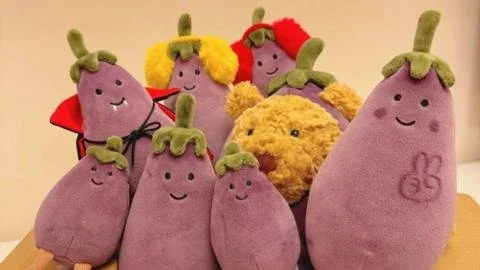
Jellycat, the British plush toy brand, has transcended its original target audience of children to capture the hearts of young adults in China, particularly during the pandemic era. This transformation is exemplified by Stella Huang, a 32-year-old who purchased her first Jellycat toy—a delightful gingerbread house plushie—after losing her job during COVID-19 lockdowns. For Stella, and many others, these toys have become emotional anchors amidst a tumultuous socio-economic climate.
The popularity of Jellycat in China has significantly surged since the brand’s entry into the market in 2015. Analysts like Kasia Davies suggest that the brand’s success can be attributed to its ability to resonate with the disenchanted youth, offering them a sense of companionship and comfort in uncertain times. Especially, the Amuseable line, which features plush versions of everyday objects with quirky faces, has attracted a broad Gen-Z and millennial audience, becoming breakout stars in toy collections worldwide.
Jellycat’s innovative marketing strategies play a substantial role in its growing prominence. Pop-up experiences and localized product offerings, like British comforts in plush form, create buzz on social media, particularly on platforms like RedNote. Sales have skyrocketed, with estimates indicating around $117 million in sales to Chinese consumers last year, amid a wider boom in the collectable toy market among young adults. This trend reflects a “kidult” phenomenon, as adults seek connection and nostalgia amidst adulthood’s struggles, as described by experts like Prof Erica Kanesaka.
Social media has become a playground for creativity among fans, who utilize plushies, like the iconic “aubergine boss,” to express frustrations related to their daily lives revolving around work-life balance and economic strains. Limited-edition products entice collectors, feeding into a culture of “hunger marketing”, making these toys not just collectibles, but status symbols that offer a sense of escape from harsh realities.
However, the surge may be plateauing, as some fans are noticing a decline in enthusiasm on platforms. For example, Wendy Hui has started exploring different toy lines as alternatives to the increasingly challenging pursuit of acquiring Jellycats, expressing a sentiment shared by many: the struggle between indulgence and practicality amidst economic uncertainty is palpable. Jellycat’s journey in China illustrates a remarkable case of adaptability and reflects the burgeoning need for emotional comfort in modern society.