
Harnessing Technology: The Game-Changer in Wildfire Management
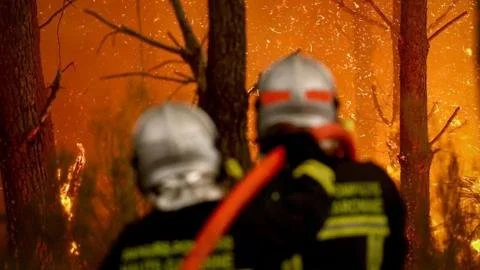
Wildfires have become an alarming threat in many regions, devastating landscapes, homes, and ecosystems. As the climate changes, the frequency and intensity of these fires are escalating. Fortunately, technology is stepping up to the frontline, offering innovative solutions that are transforming the way we combat wildfires.
One of the most significant advancements is the use of drones for real-time monitoring and reconnaissance. Equipped with thermal imaging, these drones can detect hotspots before they turn into major infernos, allowing firefighters to deploy resources more effectively. This aerial technology not only minimizes risk to human life but also provides crucial data for strategizing fire containment.
Moreover, satellite imagery has revolutionized how we observe and predict fire behavior. Agencies are now utilizing high-resolution satellite data to track changes in vegetation and moisture levels, factors that can significantly indicate fire risks. This allows for proactive measures to be taken to prevent wildfires, rather than just reacting to them.
Artificial Intelligence (AI) is also playing a pivotal role. AI models can analyze vast amounts of data, learning from past fire patterns to predict where fires are likely to occur next. This predictive capability enhances the response time of firefighting teams and improves resource allocation during emergencies.
In addition to these technologies, partnerships between tech companies and wildfire management agencies have fostered the development of mobile applications. These apps empower communities to report fires, receive alerts, and access real-time information regarding fire safety. Engagement of the public is vital, and such technology enables residents to play an active role in protecting their surroundings.
The integration of sensor technology in forest areas is another game-changer. Sensors can detect changes in temperature and humidity that may signal a fire risk, sending alerts directly to firefighting crews. This early detection system is crucial for reducing response times and ultimately saving lives and property.
In conclusion, while wildfires pose significant challenges, the fusion of modern technology into firefighting efforts offers a glimmer of hope. From drones and satellites to AI and community apps, these tools not only enhance safety but also pave the way for a more efficient response, illustrating the vital role of innovation in environmental conservation and public safety.