
How Cutting-Edge Liquid Cooling Tech is Revolutionizing Data Center Efficiency
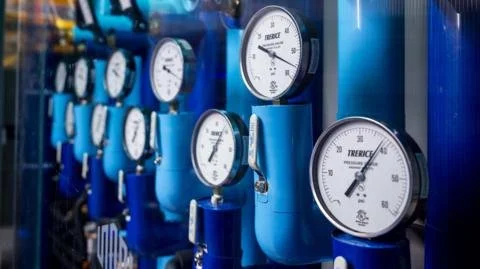
Data centres are the unsung heroes of the digital age, operating at high speeds and generating immense heat, but thanks to innovative cooling technologies, they’re getting the luxury treatment they deserve. Jonathan Ballon, CEO of Iceotope, reveals how they use advanced liquid cooling systems to keep computer chips at optimal temperatures. By showering components with cool fluids or immersing them in baths of coolant, Iceotope enables their clients to overclock servers without the risk of overheating.
The need for efficient cooling is underscored by past incidents, like the November failure at CME Group’s data centre that disrupted financial trading. With the surging demand for data centres, driven largely by the growth of AI, these facilities are coming under fire for their high energy and water consumption. In fact, over 200 environmental groups are calling for a halt on new constructions amid rising local opposition.
Unlike traditional air cooling methods which rely on energy-intensive fans, Iceotope’s systems promise up to 80% reduction in cooling-related energy usage. Their method is more sustainable as it utilizes a closed water loop, minimizing impact on local water resources. However, there are concerns about the fossil fuel-based fluids in these systems, albeit without harmful PFAS chemicals.
Current market trends suggest a shift from two-phase cooling systems that use harmful refrigerants, with some companies moving towards PFAS-free alternatives. Among notable innovations is Microsoft’s ambitious subsea project, which submerged servers for increased efficiency, albeit ultimately deemed economically unviable.
Researchers like Renkun Chen are exploring even more groundbreaking solutions, such as passive cooling using pore-filled membranes that harness heat for pumping fluid, akin to evaporation in nature. As the demand for AI technologies—particularly energy-hungry models like generative AI—continues to soar, the industry is poised for a transformation that emphasizes both sustainability and efficiency. Calls for greater transparency regarding energy consumption in AI show a growing awareness of the importance of responsible tech.