
Iran in Turmoil: Protests Erupt as Currency Plummets and Dissatisfaction Boils Over
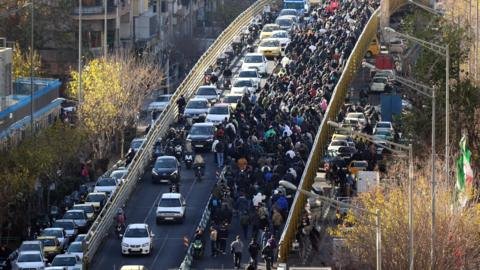
Protests and strikes have erupted across Iran, marking the third consecutive day of unrest as citizens take to the streets in response to inflation and the devaluation of the Iranian rial, which plummeted to a record low against the US dollar. The protests initially began in Tehran’s Grand Bazaar when shopkeepers staged a strike, but have since spread to cities including Karaj, Hamedan, Qeshm, Malard, Isfahan, Kermanshah, Shiraz, and Yazd. Videos verified by BBC Persian show demonstrators and clashes with police, who deployed tear gas to quell the protests.
The Iranian government has acknowledged the protests, stating it will listen to the voices of the demonstrators. President Masoud Pezeshkian has expressed intentions to facilitate dialogue with protest representatives and has accepted the resignation of the central bank governor, appointing Abdolnasser Hemmati in his place to address rising economic concerns.
Among the demonstrators, university students have joined in chanting slogans against the government, including calling for the downfall of the Supreme Leader, Ayatollah Ali Khamenei. Some protesters have even voiced support for Reza Pahlavi, son of Iran’s last Shah, with chants of “Long live the Shah.” Pahlavi, residing in exile in the United States, has shown solidarity with the protesters via social media, emphasizing their cause is just and united.
The US State Department has expressed backing for the protests, commending the courage of the demonstrators and advocating for a future marked by dignity following years of economic mismanagement. Additionally, in recent discussions, US President Donald Trump highlighted the severe issues facing Iran, hinting at ongoing tensions regarding military interventions should Iran pursue its ballistic missile or nuclear programs. Amidst these events, Khamenei has accused foreign adversaries of trying to incite civil unrest to destabilize the regime.
The situation remains volatile as government authorities respond to public discontent, underscoring the fragile economic landscape and political climate in Iran.