
Is a 10% Credit Card Rate Cap Feasible? Trump's Bold Move Shakes Financial Markets
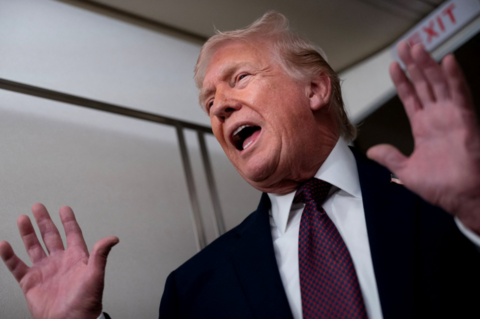
In a surprising announcement, President Donald Trump proposed capping credit card interest rates at 10% for one year, starting January 20, 2026. This bold claim, shared on Truth Social, sent bank shares tumbling, particularly affecting major credit card firms like American Express, Visa, and Mastercard, whose stocks fell almost 4% and 2% respectively. Shares of Barclays, a UK bank with a significant US credit business, also experienced a volatility drop of 1.9% by the end of trading in London.
Trump’s proposal stems from his campaign efforts to assist everyday Americans, asserting that consumers are currently being “ripped off” by high interest rates averaging 20%. However, financial experts warn that implementing such a cap could devastate access to credit, making it more difficult for families and small businesses to secure loans. Banking associations highlighted that enforcing a rate cap would fundamentally disrupt the economics of the banking industry, leading to diminished credit limits and reduced rewards programs, which are vital to customer retention and satisfaction.
The context behind this proposal is critical. Nearly half of US households carried credit card debt in 2022, with those in debt averaging over $6,000. At current interest rates, this results in approximately $100 per month in charges. Notably, support for a credit card rate cap has emerged from an unusual coalition of lawmakers, including far-left figures like Bernie Sanders and Trump’s populist allies, creating an intriguing dynamic in the political landscape.
Despite the support, the implementation challenges remain daunting, with similar proposals previously stalling in Congress. Critics, including Democrat Senator Elizabeth Warren, claim that Trump’s approach lacks a solid plan and would lead to pushback from the credit industry, which has historically resisted stringent regulations. The joint statement from five US banking bodies echoed similar concerns, warning that a cap on interest rates could inadvertently drive consumers to less regulated and more expensive credit options, contrary to the intended relief for Americans.
As Trump’s administration previously attempted to rescind regulations on late fees for credit cards, the question remains as to whether his proposal can transition from rhetoric to enforceable law, especially given the anticipated legal challenges from the financial sector.