
Lost in the Crowd: The Mystery of Poor Signal at Festivals and Sports Events
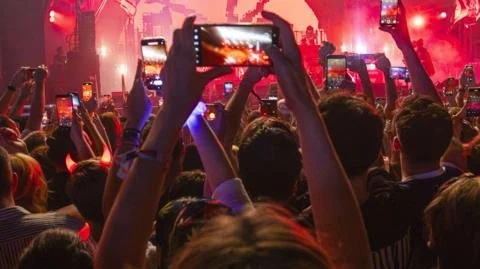
Ever tried sending a text at a packed concert or sports match, only to be met with frustrating radio silence? This phenomenon isn’t just bad luck; it’s a complex interplay of technology and sheer volume of people.
At large events, like festivals and sports matches, you’re not just battling with other attendees for cell service; you’re also contending with overloaded cell towers and limited network bandwidth. When thousands or even tens of thousands of smartphones connect to a single tower, the network becomes congested, leading to dropped calls and failed messages.
Moreover, these events often attract a huge volume of data traffic. Fans wanting to stream videos, share live updates, or post on social media contribute to a data surge that networks simply aren’t designed to handle in such concentrated locations.
Additionally, environmental factors play a role—tall structures, such as stadiums, can block signals, while the very layout of festivals may disrupt line-of-sight communication with cell towers.
To combat this issue, planners may deploy temporary cellular infrastructure, like portable towers and Wi-Fi hotspots, but these solutions are not always foolproof.
Ultimately, understanding why we lose signal at crowded events can help manage expectations when trying to connect amidst the chaos. Whether you’re at a grand sporting event or a music festival, knowing the challenges of connectivity can make the experience a little less frustrating.