
Navigating the Drought: Panama Canal Faces Ship Traffic Crisis Amid El Niño
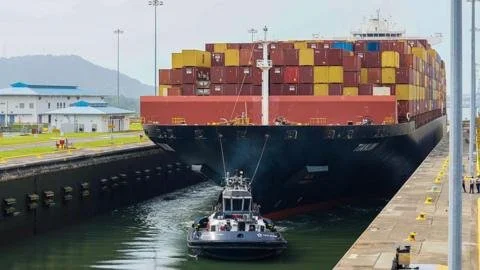
The Panama Canal, a vital artery for global trade, is poised to reduce the number of ships allowed to transit its waters due to the impacts of El Niño. This climatic phenomenon has led to drought conditions in Central America, resulting in lower water levels that make navigation increasingly challenging.
El Niño causes fluctuations in weather patterns, and this year, its effect is especially pronounced, prompting canal authorities to implement measures to ensure sustainable operation. With the decision to cut ship traffic, the canal aims to maintain safety and efficiency, which is crucial for its functionality given that it plays a key role in international shipping routes by connecting the Atlantic and Pacific Oceans.
Stakeholders and shipping companies are on high alert as delays and potential shipping costs rise due to fewer vessels being permitted through the canal. The decision may lead to a cascading effect on global supply chains, emphasizing the fragility of maritime logistics in the face of climate variability. The anticipated reduction in transit numbers draws attention to the broader implications of climate change on crucial infrastructure and international trade, raising questions about the future adaptability of such systems in dealing with extreme weather events.