
Pizza Peril: Why Robotic Chefs Are Missing the Dough
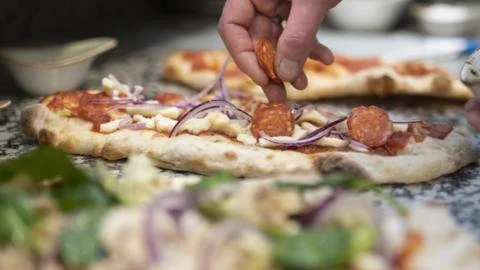
The rise of robotic pizza makers promised a revolution in the fast-food industry, yet many of these automated kitchens are facing significant challenges that hinder their success. Despite the growing demand for convenience and automation in food prep, several factors contribute to the struggles of these technological innovations.
First, the complexity of pizza-making requires not only precise ingredients but also the ability to create a variety of styles and adapt to customer preferences. Robotic systems often fall short in replicating the artistry and craftsmanship that experienced chefs bring to the table, particularly in achieving the desired texture and flavor.
Moreover, the initial investments necessary to develop and deploy robotic kitchens are substantial, leading to financial strains on companies that attempt to scale this technology. With labor costs continually evolving, the promise of reduced operating expenses from automation has not been realized to the extent expected.
Consumer acceptance is another hurdle; while some consumers are curious about robotic food preparation, many still prefer the personal touch that comes with traditional pizza-making. The uniqueness of human creativity and innovation cannot be easily matched by robots, creating apprehension among consumers.
In summary, while the concept of robotic pizza makers is innovative, various factors such as technical limitations, high costs, and consumer preferences contribute to their current struggles in the market. As the food industry continues to evolve, it remains to be seen whether these machines can overcome the hurdles they face or if they will continue to be an interesting yet ineffective novelty.