
Revolutionizing Work: Australian Dock Workers Demand a 28-Hour Week Amidst AI Evolution
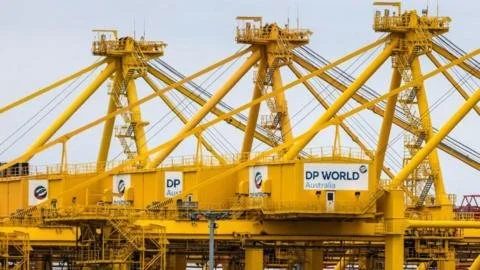
In a bold and pioneering move, Australia’s dock workers are making headlines by advocating for a 28-hour work week as part of ongoing negotiations regarding the impact of artificial intelligence (AI) on the industry. This initiative is not just about reducing hours; it represents a fundamental shift in the understanding of work-life balance in an era increasingly dominated by technology.
The workers’ union posits that the rise of AI and automation introduces unique challenges and opportunities that must be addressed immediately. With robots and AI increasingly taking over tasks previously handled by humans, the call for a reduced work week aims to promote job security while also ensuring that the workforce can adapt to technological advancements. This reduction in hours is seen as a way to enhance employee well-being, create more flexible schedules, and ultimately lead to increased productivity.
As discussions unfold, many are watching closely to see how this bold stance from the dock workers might influence labor relations across other sectors. If successful, it could set a precedent for a broader movement toward shorter work weeks, inviting future conversations about what work means in the age of AI. The outcome of these talks will not only impact those in the logistics sector but could resonate across industries globally, potentially reshaping the future of labor as we know it.
Ultimately, the push for a 28-hour work week offers a captivating glimpse into how workers are proactively working to harness the changes brought by AI, aiming not just to survive in a tech-driven economy but to thrive in it.