
Shifting Sands: UAE's Bold Exit from OPEC Marks a New Era in Oil Dynamics
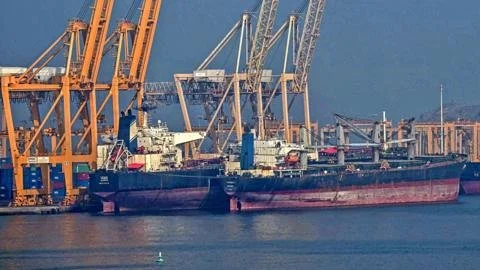
In a stunning development in the global oil landscape, the United Arab Emirates (UAE) has announced its definitive decision to exit the Organization of the Petroleum Exporting Countries (OPEC). This strategic move is poised to have far-reaching implications not only for the UAE’s economy but also for the global oil market.
Historically known for its substantial oil reserves and production capacity, the UAE’s departure from OPEC signals a potential shift in its energy strategy. The country has been increasingly focusing on diversification away from oil dependence, signaling its intent to explore other energy sources and sustainable practices. Industry experts suggest that this exit could allow the UAE greater flexibility in production levels and pricing, potentially positioning it as a more competitive player in the oil market.
Furthermore, OPEC, a consortium designed to control oil supply and stabilize prices, may feel the repercussions of a significant member’s withdrawal. The UAE’s decision comes amid ongoing debates over global oil production limits and rising demand from fast-growing economies. Analysts predict that the UAE’s exit could lead to price fluctuations and unpredictable dynamics in the oil sector, as other member countries may need to recalibrate their strategies.
This pivotal moment reflects broader trends in the energy sector, where nations evaluate their roles and objectives in an ever-evolving market landscape. As the UAE embarks on this new path, the implications for global producers and oil-dependent economies are likely to unfold over the coming months, heralding a new chapter in oil production and trade.