
Soaring into the Future: The Game-Changing Potential of Self-Flying Planes
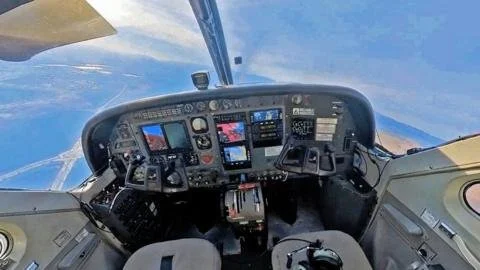
Imagine a world where planes fly themselves, navigating through the skies with precision and safety—this isn’t science fiction, but a rapidly approaching reality! Self-flying planes, also known as autonomous aircraft, are set to revolutionize air travel, reducing human error, cutting costs, and enhancing overall efficiency in the aviation industry.
Recent advancements in artificial intelligence and machine learning are enabling aircraft to perform complex tasks such as takeoffs, landings, and in-flight navigation without human intervention. This initiative stems from a desire to improve safety records and decrease operational expenses. As these technologies advance, the aviation sector is preparing for a drastic overhaul, potentially leading to a future where pilots might only oversee flights rather than operate them actively.
Safety is a primary concern; however, studies indicate that automation could significantly reduce crash rates attributed to pilot error. Stakeholders are conducting extensive tests to ensure that these systems can handle emergencies and complex scenarios. Furthermore, the cost implications are vast — autonomous flights could lower labor expenses, making flying more affordable for passengers.
Additionally, self-flying planes could reshape air cargo operations, leading to 24/7 delivery capabilities and optimizing logistics worldwide. While public acceptance remains a challenge due to fears surrounding automation and job losses, the ongoing dialogue about air travel’s sustainability and safety keeps pushing these innovations forward.
In conclusion, the possibility of self-flying planes is not just about technology—it’s a leap towards transforming the skies into a realm where safety, efficiency, and affordability reign supreme. Buckle up as we prepare for takeoff into a new era of aviation!