
Strait of Hormuz: The Key to Oil Prices and Global Stability Amid Ceasefire Talks
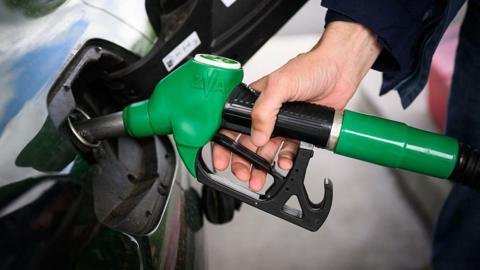
In a surprising turn of events, oil prices have plummeted as Iran announced that the Strait of Hormuz remains ’open’ during ongoing ceasefire discussions. This critical waterway, which serves as a vital passage for about 20% of the world’s oil supply, is once again the center of geopolitical focus. With Iran asserting its control and emphasizing its openness, market analysts are witnessing a direct impact on global oil prices, sparking discussions about future trends in energy costs.
The announcement comes at a time when tensions in the region had created a perilous environment for shipping and oil trade, leading to price spikes in oil previously due to fears of disruptions. However, the clarity provided by Iran’s statements has calmed the markets, resulting in notable reductions in crude oil prices.
Experts predict that if the ceasefire holds and conditions in the region stabilize, there could be further decreases in oil prices, which would benefit consumers globally. This situation highlights the interconnectedness of global economics and regional politics, and how developments in one part of the world can have far-reaching consequences for markets and economies thousands of miles away.
As the ceasefire talks continue, all eyes remain on the Strait of Hormuz, with many wondering how long this period of stability will last and what the subsequent effects on global oil supply will be.