
The AI Bubble: Is a Financial Crash Looming?
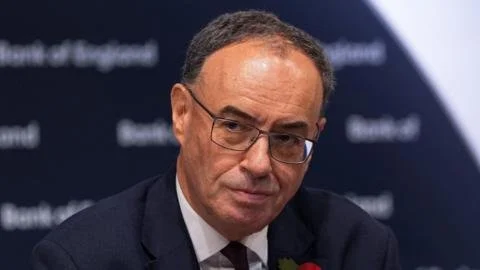
The Bank of England has sounded a warning about a potential AI bubble, indicating that the skyrocketing valuations of major tech companies, particularly those centered around artificial intelligence, may lead to a severe market correction. According to the bank’s financial stability report, share prices in the UK are approaching their highest levels since the 2008 global financial crisis, with US equity valuations exhibiting concerning parallels to those before the dotcom bubble burst.
In this context, the Bank of England has expressed concerns that the AI sector is particularly vulnerable due to its stretched valuations, potentially posing risks to financial stability. An anticipated growth of trillions of dollars in AI investments, funded largely through debt, might exacerbate volatility, especially if valuations falter. The report notes that as AI firms become more intertwined with credit markets, a significant asset price correction could lead to substantial losses and further stability concerns.
Prominent figures such as Jamie Dimon, CEO of JP Morgan, echo these concerns, acknowledging a looming risk for serious market corrections. Additionally, the International Monetary Fund (IMF) and the Organization for Economic Co-operation and Development (OECD) have issued similar alarms.
Historically, the dotcom boom of the late 1990s serves as a cautionary tale, with many companies collapsing when their inflated values were recalibrated post-bubble burst. With present concerns about AI investments, there are implications for investors and savings, particularly as the UK Chancellor’s recent budget aims to encourage investments into stocks amidst rising fears of a market correction.
While Bank of England governor Andrew Bailey acknowledges the differences from the dotcom era—such as many tech firms having positive cash flows today—he still cautions about emerging competition and the highly concentrated nature of the AI sector in the US.
As the Bank aims to lower capital requirements for High Street banks to stimulate lending and economic growth, it anticipates that geopolitical tensions and rising borrowing costs may add to financial instability risks. Homeowners, particularly those refinancing fixed-rate mortgages, are also expected to face higher costs, with millions potentially dealing with increased monthly repayments amid a shifting interest rate landscape. The Bank of England’s rate has dropped from 5.25% to 4%, yet many are expected to see an 8% hike in costs as they transition to higher rates by 2028.