
Unlocking the Black Gold: Can Trump's Vision for Venezuela's Oil Economy Become Reality?
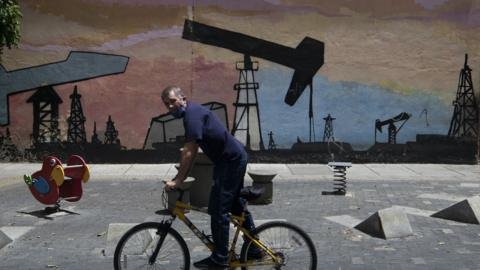
In his bold pursuit of global energy dominance, Donald Trump has set his sights on Venezuela’s vast oil reserves, following the ousting of President Nicolás Maduro. Trump’s commitment includes engaging American oil firms to inject billions into the struggling South American nation, which boasts the largest proven oil reserves in the world, estimated at 303 billion barrels. However, despite these riches, Venezuela’s oil production has significantly plummeted due to political instability, sanctions, and a deteriorating infrastructure.
Venezuela’s current output stands at only 860,000 barrels per day, considerably down from previous levels, with production challenges exacerbated by years of mismanagement and underinvestment in the state-run oil company PDVSA. Trump’s plan rests on the premise that U.S. companies like Chevron, which still operate in Venezuela, can revamp the oil sector and restore output, but experts are skeptical.
According to analysts like Callum Macpherson and Bill Farren Price, reviving the industry faces immense hurdles ranging from legal complications to the political landscape, which hampers agreements between foreign companies and the Venezuelan government. This could place billions in investments in jeopardy, delaying improvements for up to a decade. Additionally, even a restoration to former production levels might not position Venezuela as a major player in the global market due to robust production from OPEC+ members.
Experts caution that while the potential rewards of Venezuelan oil are enticing, companies might think twice before committing, remembering past assets’ expropriations in the 2000s. The intricate situation begs the question: Will Trump’s dramatic vision yield tangible results, or is it a mirage in a quagmire of complexities? The task ahead appears monumental, and oil prices might feel minimal impact even in the long term as global supply remains stable.