
Unlocking the Future: Why Robotics Firms are Grappling with Gripping Technology
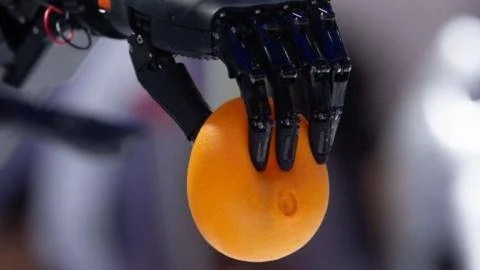
In the evolving realm of robotics, one persistent challenge remains—creating effective robotic hands. These mechanical appendages are designed for a variety of tasks, from complex industrial assembly to delicate surgical procedures. However, the technology behind them is still often underdeveloped.
Robots require dexterity and the ability to finely manipulate objects, but current designs struggle with replicating the human hand’s versatility. Engineers face significant obstacles such as achieving an appropriate grip strength, precision movement, and sensory feedback. Innovation in materials and robotics is needed to create hands that can adapt to various shapes and weights, which is crucial for tasks requiring fine motor skills.
The article discusses the ongoing research, partnerships, and potential breakthroughs in the field, highlighting how leading robotics firms are investing time and resources into overcoming these challenges. While some companies have made strides by utilizing soft robotics or advanced AI algorithms to enhance performance, full success in developing a fully operational robotic hand that mimics human capability is still a distant goal. Will the next generation of robots soon have a grip that feels almost human? The journey continues to unfold.