
Unlocking the Gig Experience: The Case for Phone-Free Events and Schools
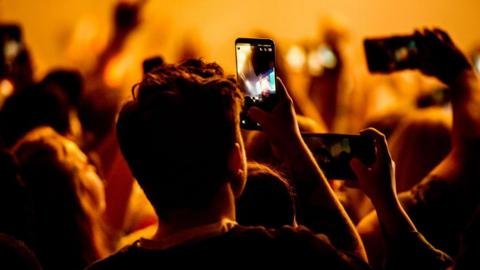
When Sir Paul McCartney graced the stage at the Santa Barbara Bowl, he took an unprecedented step by advocating for a phone-free concert, asking all 4,500 attendees to place their smartphones in locked pouches. This unique experience allowed fans to enjoy the performance without the distraction of recording or taking selfies. McCartney proclaimed, “Nobody’s got a phone… really, it’s better!” after the phones were secured.
The method of locking phones away is surprisingly straightforward. Concert-goers simply place their devices in magnetically locked pouches upon entering the venue, which they keep until the end of the show, when they can retrieve them. Prominent artists like Alicia Keys, Jack White, and Dave Chappelle support this trend, noting that it enhances their ability to perform authentically and innovatively.
Fans are also showing support for this movement, as evidenced by Shannon Valdes, who described a recent concert experience on social media as “refreshing” due to the collective focus on enjoying the moment rather than documenting it.
The technology behind these pouches was invented by Graham Dugoni, who became inspired after witnessing the potentially humiliating nature of spontaneous social media postings. His company, Yondr, has created a market for phone-free spaces, currently making waves in venues, schools, and other institutions. With around 2.2 million U.S. schools incorporating this mandatory phone policy, the trend is expanding significantly.
Schools using Yondr pouches report improvements in academic performance and reductions in bullying, as they create a distraction-free environment conducive to learning. The former headteacher at Vale of York Academy, Gillian Mills, noted that confiscation issues have diminished, allowing teachers to focus solely on instruction.
Political discussions have also surfaced, with Conservative leader Kemi Badenoch proposing an outright ban on smartphones in schools. While the Labour government seeks to empower headteachers with policies on smartphone usage, there is a growing emphasis on creating trip-free zones in educational settings, aligning with parents’ sentiments around safety during school commutes.
The rise of social media and AI continues to intensify the debate surrounding smartphone usage. Paul Nugent, creator of the Hush Pouch, notes a societal pushback against the pervasive use of phones, with increasing interest in enforcing phone bans at various events, from weddings to theatres. This movement highlights concerns regarding mental health and interpersonal connections, as Dugoni warns we risk losing essential human skills if we remain excessively reliant on technology.
In a world juggling the benefits and drawbacks of smartphone technology, the recent phone-free concert experience may not just represent a fleeting trend, but a pivotal moment urging individuals to reconsider their relationship with digital devices. As McCartney’s fans sang along without their screens, it posed a thought-provoking question: what might we lose if we never unplug?