
Unpacking India's Cash Transfer Revolution: Lifeline for the Poor or Budget Buster?
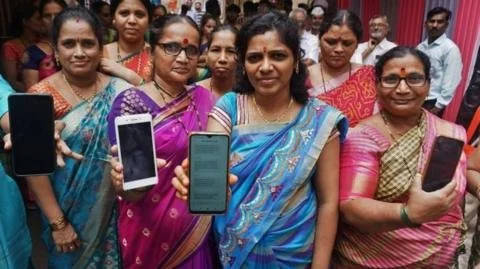
In recent years, India has experienced a significant surge in cash transfer programs, aimed at providing financial relief to its poor population. This initiative, which has grown exponentially, serves as a lifeline for millions, particularly during economic downturns or crisis situations such as the COVID-19 pandemic. The government has been implementing direct cash transfers to support various segments of the population, including farmers, laborers, and vulnerable families. These programs are designed to tackle poverty, enhance financial inclusion, and stimulate economic activity by increasing household consumption.
However, the phenomenon also presents challenges. While it offers much-needed assistance to the needy, the extensive nature of these schemes places immense pressure on the fiscal budget. Critics argue that without careful management and sustainable funding, such measures could lead to long-term financial strain for the government. This raises important questions about economic sustainability and whether the benefits of cash transfers are overshadowed by the potential for budgetary shortfalls.
Ultimately, India’s push toward cash transfers illustrates a critical balancing act: delivering immediate socioeconomic relief while ensuring that the government remains on a stable financial footing.