
Unpacking Trump’s Global Tariff Strategy: What It Means for the Economy and Trade Relations
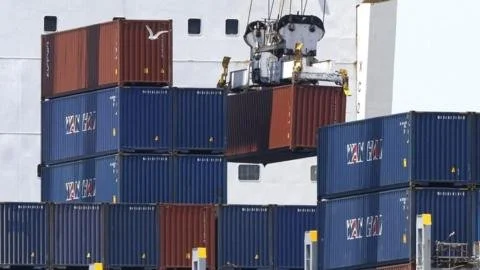
In a bold move, Trump’s administration has unveiled a new set of global tariffs aimed at protecting domestic industries and changing the dynamics of international trade. The tariffs are imposed on a wide range of imported goods, affecting multiple countries and industries, bringing both opportunity and controversy.
The article delves into the mechanics of how these tariffs will function, detailing the specific percentages and categories of goods affected. Key industries such as steel, aluminum, and technology are expected to feel the brunt of these tariffs, ultimately leading to increased prices for consumers.
Additionally, the piece explores the potential repercussions on international relations, as countries retaliate with their own tariffs. This tit-for-tat scenario could create further instability in global trade markets, raising concerns among economists about a potential trade war.
Furthermore, the article discusses the political implications of such tariffs. Trump’s supporters herald them as a win for American workers, while critics warn they may disrupt a decade of economic recovery. As businesses scramble to adjust to these changes, the future of trade relations remains uncertain, igniting debates on whether these tariffs will ultimately benefit or harm the economy. Each stakeholder’s response, from local manufacturers to major corporations and foreign governments, adds layers to the anticipated impact of this policy shift.