
Unraveling the Threads of Tradition: How Scientists Are Reviving India’s Silk Industry
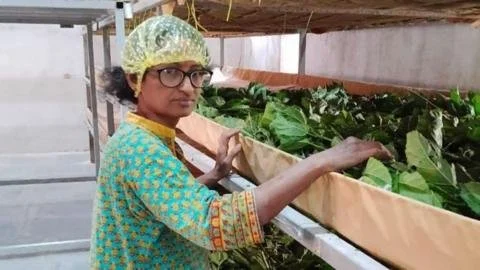
The transformation of India’s silk industry is showcasing an intriguing blend of science and tradition. With the nation’s rich legacy in silk production, currently estimated at a market value of around $2 billion, industry experts are witnessing a significant revival thanks to innovative approaches and sustainable practices.
At the heart of this resurgence are scientists who are stepping away from the laboratory and diving into the agricultural sector. Their goal is to collaborate with traditional silk farmers, integrating modern agricultural techniques with age-old methods to enhance productivity and quality of silk. By using biotechnology and genetic research, these experts are developing disease-resistant silkworms, which not only increases the silk output but also reduces dependency on harmful pesticides.
Moreover, the emphasis on sustainability has led to the adoption of ecofriendly practices in silk production, ensuring the industry minimizes its carbon footprint while preserving the natural environment. This modern approach is also creating new career opportunities for emerging entrepreneurs and scientists alike, revitalizing rural economies and empowering local communities.
The intersection of science and traditional farming is not just generating a higher yield; it is also fostering a spirit of innovation and collaboration. By harnessing cutting-edge technology while respecting age-old techniques, India’s silk industry is poised for a bright future, ultimately contributing to a more sustainable and prosperous economy.
In conclusion, the journey from scientist to silk farmer illustrates the incredible potential of blending innovation with heritage, leading to renewed interest and growth in one of India’s most treasured industries.