
Venezuela's Oil: A $100 Billion Dream or an Uninvestable Mirage?
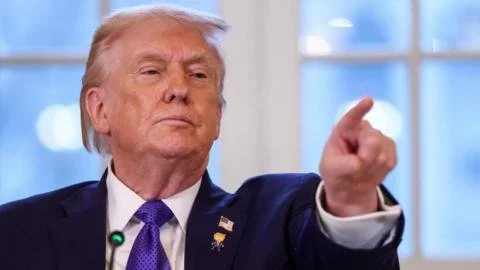
In an ambitious push, President Donald Trump has proposed a $100 billion investment plan aimed at revitalizing Venezuela’s oil industry, amidst a complex backdrop of declining production and political turmoil. Despite the South American nation being home to some of the largest oil reserves in the world, industry executives responded cautiously. They highlighted the country’s current status as ”uninvestable,” citing previous asset seizures and the need for significant reforms.
During a recent White House meeting, top oil executives from major U.S. firms acknowledged the opportunity in Venezuela’s energy sector but stressed that transformations must occur for substantial investment to be considered. ExxonMobil’s CEO, Darren Woods, emphasized the historical difficulties in doing business there and questioned the feasibility of returning without major changes to the governing structure and investment climate.
Trump has indicated that the U.S. intends to play a direct role in Venezuelan oil sales, intending to utilize seized assets to control the deductions of revenues and ensure compliance from interim authorities in the country. He promised that these actions would help reduce energy prices in the U.S. However, analysts argue that even the support from smaller firms could only yield modest investments, not approaching the fantastical amounts proposed by Trump.
The current oil output from Venezuela is perilously low, hovering around one million barrels per day, which is significantly impacted by years of mismanagement and U.S. sanctions. While firms like Chevron and Repsol are showing cautious optimism regarding potential increases in output, actual commitments remain lackluster. Experts point out that the environment isn’t conducive for significant financial undertakings without assured legal protections and political stability.
In conclusion, while Trump’s vision for Venezuela’s oil sector could potentially reshape its production landscape, analysts remain skeptical about the immediate realization of these plans, especially without a resilient political framework and a commitment from major players.