
Volkswagen's Job Cuts: What 100,000 Layoffs Mean for the Future of the Automotive Industry
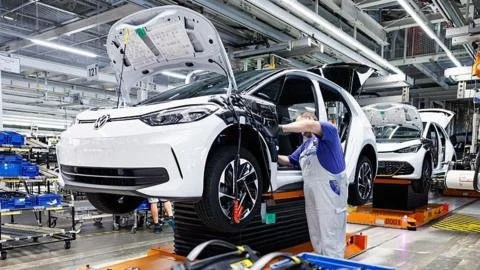
In a stunning announcement, Volkswagen has revealed plans to cut up to 100,000 jobs globally as part of a major restructuring effort aimed at adapting to the rapidly changing automotive landscape. This decision comes amid increasing pressure to shift towards electric vehicles (EVs) and to enhance operational efficiency in response to global market demands.
The layoffs could impact around 10% of the company’s workforce, marking a significant move for one of the world’s leading car manufacturers. In a bid to remain competitive, Volkswagen is focusing on boosting its production of electric vehicles, necessitating a shift in skills and a realignment of its workforce.
Key Points of the Announcement:
Volkswagen is motivated by concerns over costs, market competition, and the need for technological innovation.
The restructuring plan aims to streamline the corporation, ensuring it can sustain its transformation while investing in new technologies.
The auto industry is going through a pivotal change, with increasing consumer demand for sustainable and electric options, pushing manufacturers to evolve.
Job cuts will predominantly affect sectors that deal with traditional combustion engines, reflecting the company’s pivot towards EV production.
Despite the looming job losses, Volkswagen has expressed commitment to retraining programs designed to help displaced workers transition into roles that support the company’s environmental goals and new product lines. This move has sparked discussions about the future of employment within the automotive sector, as many companies are faced with similar challenges in transitioning to greener technologies.
As Volkswagen embarks on this rough road ahead, the stakes are high not only for its employees but also for the future of car manufacturing worldwide, potentially setting a precedent for how other companies tackle their workforce changes in alignment with the shifting automotive landscape.