
Whirlwind of Controversy: Trump’s $1.2 Billion Deal That Stopped Wind Projects
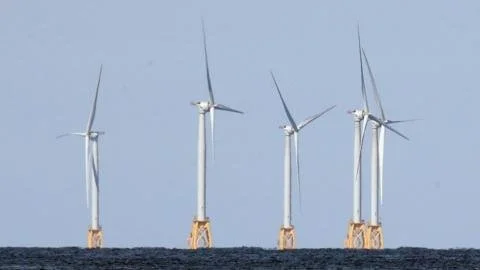
In a significant move by the Trump administration, the U.S. government has agreed to pay $1.2 billion to a German energy firm, effectively halting numerous wind energy projects across the country. This decision has raised eyebrows and sparked intense debate among environmentalists, industry experts, and political commentators. Critics argue that this financial arrangement undermines the progress made in renewable energy sectors, while supporters claim it was necessary to protect economic interests.
The agreement comes as various stakeholders in the energy sector raise concerns over the implications this has for future investments in clean energy technologies. The wind projects that are being put on hold were seen as pivotal steps toward reducing dependence on fossil fuels and transitioning to a more sustainable energy framework.
The implications of such a hefty payout and the subsequent suspension of cleaner alternatives have led to rampant discussions about the future trajectory of U.S. energy policy, especially in light of mounting evidence regarding climate change and the necessity for a sustainable approach. Environmental advocates are particularly worried about the loss of momentum in renewable energy development, while the administration contends that it is making a hard choice to safeguard American jobs and economic stability.
As the nation watches closely, this decision might redefine the landscape of energy production in America, raising questions about where the country’s priorities lie: in pursuing an ambitious move toward sustainable energy or in placating powerful corporate interests.