
Will China's Robotaxi Revolution Drive the Future of Urban Mobility?
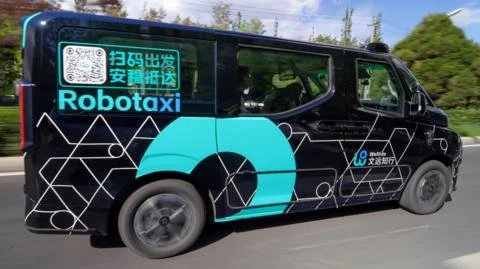
China is on the verge of redefining transportation once again, this time with robotaxis. As the world shifts from traditional vehicles to electric vehicles (EVs), China has emerged as a leader in the EV market, selling millions of units and expanding its charging infrastructure. But can this success be replicated in the robotaxi industry?
The article explores the ambitious plans of Chinese tech companies like Baidu and DiDi, who are vying to become key players in the burgeoning robotaxi market. Baidu, leveraging its expertise in artificial intelligence and machine learning, is aggressively testing its autonomous vehicles in urban environments, aiming for mass deployment in the near future. Meanwhile, DiDi, with its vast network and experience in ride-hailing, is also investing heavily in robocar technology.
With rapid advancements in sensor technology and mapping systems, these companies are working to overcome major challenges such as navigating urban traffic, ensuring passenger safety, and dealing with regulatory hurdles. Government support plays a critical role here as Chinese authorities have been promoting autonomous driving through favorable policies and investments in infrastructure.
However, the journey is not without obstacles. Public acceptance, technological reliability, and competition from established automotive giants pose significant challenges in carving out a niche in this new industry. Will the combination of innovation, strategic investments, and government backing be enough for China to lead the global robotaxi revolution?
As we look ahead, the prospects seem promising, but the outcome remains uncertain. In the race towards autonomous urban mobility, China’s actions in the coming years will determine whether it can leverage its EV success into a new frontier with robotaxis.