
Betrayal and Defection: Inside Robert Jenrick's Sudden Shift to Reform Politics
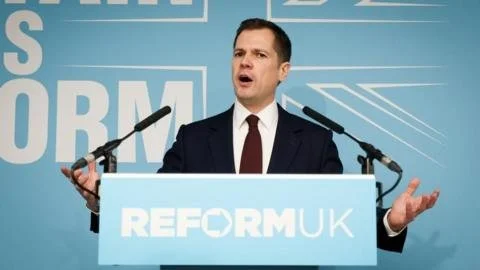
In a shocking 24-hour period, Robert Jenrick went from being a positive figure in the Conservative shadow cabinet to a defector to the Reform Party. During a meeting where he appeared upbeat, Jenrick was privately scheming with Nigel Farage and other Reform leaders, engaging in multiple secret meetings over four months. With mounting concerns within the Conservative Party about Jenrick’s loyalty, a damning leak from his office revealed a draft of his planned defection speech. This sparked immediate alarm among party leadership.
On Thursday morning, shadow cabinet leader Kemi Badenoch made the decisive call to sack Jenrick and announced it via a hastily made video message. Jenrick received the news while still in his office and protested his innocence before ending the call abruptly. Within minutes, he connected with Farage, swiftly committing to his new path with Reform. Jenrick’s allies, emphasizing the gravity of his decision, claimed he felt “liberated” after publicly transitioning to the new party, marking it as a pivotal moment in his political career.
Badenoch’s supporters argue that her rising popularity and performance diminished Jenrick’s chances of leading the Conservatives, pointing to his frustrations over being repeatedly criticized by party colleagues. The final straw for Jenrick seemed to be a disagreement during a shadow cabinet meeting where he asserted that Britain was broken, prompting significant tension in his relationship with party leadership. In a poignant twist, the meeting took place at a venue near the Tower of London, a historic symbol of betrayal, echoing the dramatic consequences of Jenrick’s exit from the Conservative Party.