
Bottling Success: The Political Tug-of-War Over Whisky Tariff Wins
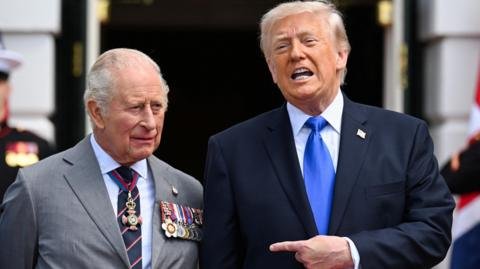
In a recent turn of events concerning whisky tariffs, a new trade agreement has ignited a fierce political squabble over who will take credit for the successful negotiations. The deal, celebrated by some as a victory for the spirits industry, is seen by others as an opportunity for politicians to gain favor with both consumers and producers alike.
As the whisky industry hopes for a boost in exports with lower tariffs, politicians from various parties are quickly positioning themselves to leverage this win. The agreement, which aims to reduce costs for whisky exports to key markets, not only promises improved economic prospects for distillers, but also highlights the importance of international cooperation in trade.
Critics, however, are quick to point out that the benefits are not universal. They argue that consumer prices may still rise if producers choose to absorb the tariffs instead of passing the savings to customers. Additionally, the division among lawmakers on who should receive credit for the negotiated successes showcases the often fractious nature of political environments.
Key industry stakeholders have voiced their opinions, revealing a split in perceptions. Some attribute the success to the government’s initiatives, while others refer to grassroots efforts from the distillers themselves. The debate underscores the broader themes of how economic policies can be influenced by political maneuvering, raising questions about accountability and transparency in such dealings.
As discussions continue, the real question surfaces: will this tariff deal genuinely benefit the whisky industry, or will the ensuing political squabbles distract from the actual aims of the agreement? The complex interplay between commerce and politics remains ever evident in this unfolding story.