
Brexit's Hidden Cost: Are Farmers and Fishermen Still On Board?
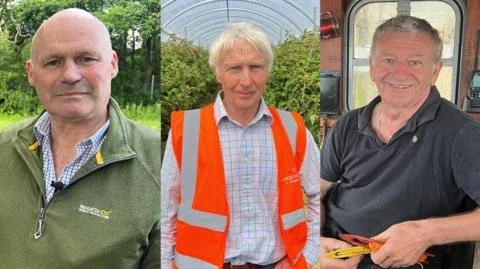
In the wake of the Brexit referendum, the agricultural and fishing sectors have experienced significant upheaval. Initially, many farmers and fishermen showed support for leaving the EU, driven by promises of greater independence and the ability to forge new trade agreements. However, as the post-Brexit landscape unfolds, a troubling reality is emerging.
Farmers are grappling with increased costs and complicated trade regulations that impact their export capabilities. Many have reported that the anticipated market access to Europe, which was a key selling point during the referendum, has proven to be harder to navigate than expected. With red tape piling up and the introduction of tariffs on certain goods, the financial implications for the agricultural sector have raised serious concerns about long-term viability.
On the fishing side, the situation is equally precarious. Fishermen hoped for new quotas and the ability to reclaim British waters from EU fleets. However, the ongoing negotiations have left many feeling that their interests have been sacrificed in favor of broader political agendas. This discontent is further compounded by the economic strain caused by a sharp drop in exports, particularly to crucial European markets.
As we look toward the future, the question arises: would farmers and fishermen still support Brexit if they could vote again? Many are now expressing doubt, indicating that the promises made during the campaign have not translated into the reality they were led to expect. This shift in sentiment highlights the ongoing debate over the economic impact of Brexit on vital sectors such as agriculture and fishing, leaving the door open for discussions about potential revisions or changes in policy that would better serve these industries.