
Caught in Trump's Web: How Keir Starmer's Foreign Policy Could Backfire
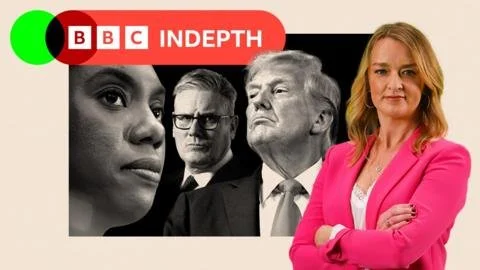
As the global landscape shifts dramatically under the influence of Donald Trump, UK Prime Minister Keir Starmer finds himself navigating a precarious political landscape. His closeness to Trump, reminiscent of past leaders like Tony Blair and Margaret Thatcher, is producing mixed results amid rising tensions regarding foreign policy, particularly concerning Venezuela and Greenland.
Starmer has strategically aligned himself with Trump to solidify trade deals and strengthen foreign relations, especially with the US. Many believe that this collaboration has been beneficial, with senior aides praising the handling of international affairs. However, criticism is mounting within his own ranks, primarily from the left of the Labour Party, who worry that aligning too closely with a controversial figure like Trump could backfire. This critique echoes historical discontent, where past leaders faced backlash for their ties to American presidents.
As opposition grows, particularly from Kemi Badenoch of the Conservative Party, the narrative shifts. Badenoch has questioned Starmer’s influence over US decision-making and criticized his silence on critical issues, like the UK troops’ involvement following agreements with France and Ukraine. The opposition is seizing the moment, arguing that Starmer’s perceived weakness in foreign policy is damaging both to his authority and the UK’s global standing.
The Liberal Democrats and the Green Party are also capitalizing on this sentiment, arguing that Starmer’s alignment with Trump alienates many traditional Labour supporters, especially those who are anti-Trump yet supportive of NATO. With a considerable audience gravitating towards foreign policy discussions, particularly regarding Trump’s recent actions, less attention is given to his opponents’ domestic agenda, reflecting a significant political opportunity for those positioned against him.
As tensions heighten globally and the question of defense spending looms large, pressure grows on Starmer to balance international relations with domestic expectations. The debate surrounding increased budgets for defense is intensifying, as contradicting reports about military funding emerge. The prime minister must address not just the military readiness of the UK but also reassure his party and the public that their national security is prioritized.
The political climate is fraught with challenges; as Starmer vies for stability amid global upheaval, he risks the very support that has been crucial to his leadership thus far. Experiences from recent days suggest a shift in voter priorities, where foreign policy could unexpectedly influence the political narrative in upcoming elections. Starmer must navigate these turbulent waters carefully, balancing loyalty to foreign allies with domestic criticism to maintain his political footing.