
Controversy Explodes as Activist Faces Deportation for Extremist Rhetoric
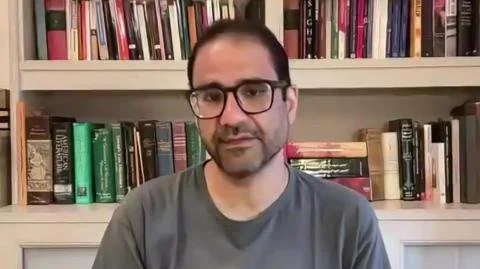
Tension escalates in British politics as the Conservative Party has called for the deportation of British-Egyptian activist Alaa Abdel Fattah following controversial social media posts in which he advocated violence against Zionists. Fattah, who recently arrived in the UK after spending years imprisoned in Egypt, was granted UK citizenship in December 2021. This citizenship status is now under scrutiny due to his extremist views, including previous inflammatory comments aimed at police and ethnic groups.
Shadow Justice Secretary Robert Jenrick asserted that it was misguided to have granted Fattah citizenship, citing his abhorrent posts as incompatible with British values. He criticized government officials for celebrating Fattah’s arrival, referring to it as a diplomatic accomplishment, and expressed the need for a thorough review of how such a poor decision could occur. Jenrick emphasized that British authorities must act swiftly to distance the government from Fattah’s views and consider revoking his citizenship.
The Foreign Office, while having initially advocated for Fattah’s release, described his posts as abhorrent and condemned his rhetoric. Public reactions have included criticism from the Board of Deputies of British Jews, which articulated concerns over the implications of Fattah’s extremist language for the safety of the Jewish community in the UK.
Former Conservative leader Sir Iain Duncan Smith, who once supported calls for Fattah’s release, expressed regret upon learning of Fattah’s extremist viewpoints, urging police investigations into his comments. Fattah’s case brings to light significant questions regarding due diligence in the UK’s immigration and citizenship handling, raising broader discussions about extremism and public safety amid ongoing struggles for human rights.
Fattah was a prominent figure during Egypt’s 2011 uprising that led to the fall of President Hosni Mubarak and has previously faced legal challenges for his activism. His recent release and subsequent citizenship has sparked a heated political debate centered on governmental responsibility and the complexities of balancing human rights advocacy with national security concerns.