
Did Chancellor Reeves Mislead on UK Finances? Crisis or Clarity?
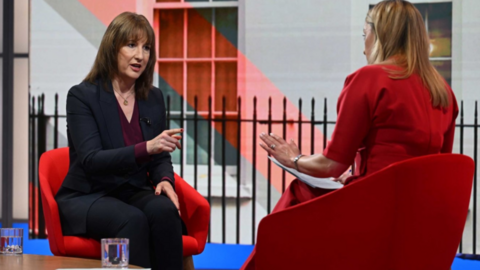
Chancellor Rachel Reeves faces mounting claims of misleading the public regarding the UK’s financial situation leading up to her recent Budget announcement. During an appearance on BBC’s Sunday with Laura Kuenssberg, she was pressed to address allegations regarding her warnings about a potential downgrade in the UK’s economic productivity forecasts. Critics, including Conservative leader Kemi Badenoch, assert that Reeves painted an overly pessimistic picture of the public finances, claiming it was a tactic to justify tax increases.
Following a revelation that the Office for Budget Responsibility (OBR) had informed her in mid-September that the financial outlook was more favorable than anticipated—complete with forecasts of higher wages—Reeves emphasized that she had been upfront in her assessments. She maintained that the fiscal constraints had grown tighter, stating that a headroom reduction from £9.9bn to £4.2bn indicated little capacity for maneuvering. Durch a careful balancing act, she contended her decisions aimed to secure a healthier financial position, referencing her aim to boost the headroom to £21.7bn.
In response to Badenoch’s accusations of deceit, Reeves claimed her fiscal decisions—including significant welfare policy changes—were entirely transparent. She defended her £16bn welfare increase by detailing how it was funded through higher online gambling taxes and enhanced efforts to combat tax avoidance. Furthermore, she acknowledged that while her Budget did not align completely with her earlier manifesto promises, she was required to adapt her strategies in the face of both domestic financial downturns and significant global economic fluctuations.
Badenoch, unsatisfied with Reeves’ justifications, argued that her creation of a financial crisis was a strategic maneuver designed to justify tax hikes, invoking strong reactions from her party and calls for Reeves’ resignation due to what some characterize as market manipulation. This controversy has sparked demands from Tory shadow chancellor Mel Stride for investigations into potential market abuse, as political tensions rise quickly as Reeves’ actions are scrutinized.
Amidst this storm, Liberal Democrat leaders and others in opposition have echoed demands for accountability, asserting that serious questions about transparency and governance ethics loom large. As the political landscape grows fraught with accusations and challenges, Reeves stands firm, pledging to navigate the complexities of public finance with integrity.