
Divided We Stand: The Challenge of Unified Leadership on Iran in Europe
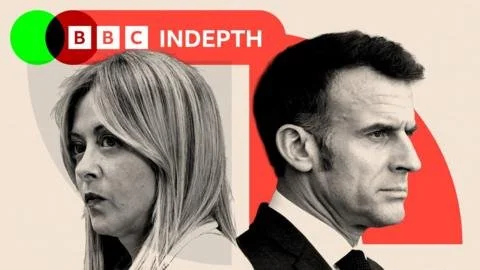
In recent years, Europe’s leaders have faced significant challenges in articulating a cohesive stance on Iran, particularly regarding its nuclear program and regional activities. This article delves into the factors contributing to the disunity among European nations, which have led to a kaleidoscope of opinions and policies towards Tehran.
One of the key issues is the diverse geopolitical interests at play. While countries like France and Germany have maintained a focus on diplomacy and sanctions, others, such as Italy and Greece, often prioritize their economic ties and energy needs with Iran. This divergence creates a barrier to a unified European strategy, often resulting in fragmented responses to Iranian actions.
Furthermore, historical relationships with the United States complicate the situation. After the U.S. withdrawal from the nuclear deal, European nations found themselves caught in a diplomatic limbo, balancing their allegiance to American policies while trying to uphold their commitments to Iran. This dual allegiance creates tension and inhibits a singular voice that could enhance their negotiating power.
The article also touches on the influence of public opinion and domestic politics, which vary significantly across the continent. Leaders often have to navigate internal pressures, making it difficult to present a united front internationally.
In conclusion, the complexity of European foreign policy regarding Iran reflects a broader challenge of unity in a continent marked by diverse interests, historical contexts, and the need for diplomatic finesse. The struggle for a common voice may continue to hinder progress in addressing the multi-faceted issues surrounding Iran, emphasizing the urgent need for a more collaborative approach among European states.