
Europe on the Brink: Navigating Trump's Unprecedented Greenland Tariffs
In a startling turn of events, Donald Trump has threatened to impose tariffs on eight European countries unless they support his controversial plan to purchase Greenland. The proposed tariffs, beginning at 10% on imports into the U.S. from February 1 and escalating to 25% by summer, have sent shockwaves through the EU. Countries including France, Germany, the UK, Denmark, Norway, Sweden, Netherlands, and Finland are bracing for potential economic fallout.
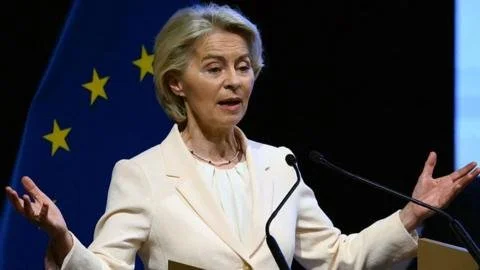
The European Commission is preparing to retaliate if these tariffs are enacted, particularly after a recent trade agreement was meant to stabilize relations and ensure predictability for businesses on both sides. This deal, negotiated by Ursula von der Leyen, resulted in moderate tariffs of 15% instead of the threatened 30%. Yet, Trump’s threats have jeopardized this progress, leading to statements from influential figures like Manfred Weber, who has suggested that the EU may not approve the cooperation deal following these new threats.
Retaliation is on the table through the Anti-Coercion Instrument (ACI), which allows the EU to engage in severe trade measures against nations that impose their will on EU member states. However, enacting these measures is complex, with long timelines for investigation and negotiation.
Prime Minister Sir Keir Starmer has expressed a desire to prevent a trade war, emphasizing that a tariff conflict is not in anyone’s interest. Alternatives could include increasing the Digital Services Tax affecting major U.S. tech firms. Legal challenges also loom, as the U.S. Supreme Court is set to decide on the legitimacy of Trump’s tariff impositions under the International Emergency Economic Powers Act.
With talks of tariffs looming, uncertainty reigns over transatlantic relations and the potential for economic turmoil as Europe considers its options against Trump’s aggressive trade policies.