
From Bold Vision to Backtrack: Starmer's Digital ID Dilemma Unveiled
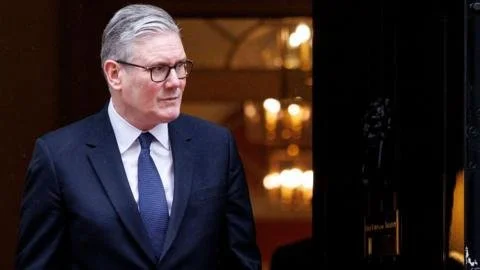
In an unexpected U-turn, UK Prime Minister Sir Keir Starmer has scrapped his ambitious plan to make digital ID mandatory for workers, a move viewed as a significant backtrack on one of his key autumn policies. Originally unveiled to the public in September amid controversy surrounding then Deputy Prime Minister Angela Rayner, the digital ID initiative was initially touted as a cornerstone of Starmer’s second phase of governance.
However, the plan faced intense backlash, particularly over its mandatory nature, which rekindled the ghosts of the last Labour government’s ill-fated ID card scheme nearly two decades ago. Critics voiced concerns regarding an invasive state, coining phrases like ‘show us your papers’ to express their discontent.
In response to growing opposition, the government has decided to remove the compulsory aspect of digital ID, allowing individuals to opt for other methods of verifying their right to work. This shift repositions the digital ID as a voluntary tool designed to enhance access to public services rather than a government mandate aimed at cracking down on illegal immigration.
A representative from the government remarked on the need to eliminate the controversy surrounding the initiative and refocus on its pragmatic benefits, which they believe could appeal to voters. The backtracking comes at a time when Starmer’s administration faces scrutiny over several policy reversals, including recent changes to business rates for pubs, inheritance tax on farmers, and modifications to income tax and benefits.
Critics from both sides of the aisle are taking note of Starmer’s ongoing climbdowns, with figures like Health Secretary Wes Streeting emphasizing the importance of getting it right the first time—a sentiment that starkly contrasts the current trajectory of Starmer’s proposals. As Starmer attempts to pivot towards domestic issues like the cost of living, the accumulation of these reversals raises vital questions about his leadership and the future of his policy agenda.