
From Politics to the Woolsack: Meet Lord Michael Forsyth, the New Speaker of the House of Lords
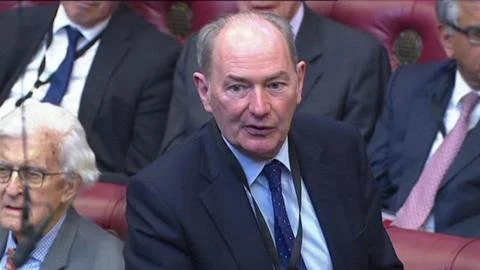
A New Chapter for the House of Lords: Lord Michael Forsyth has been appointed the new Speaker of the House of Lords, succeeding Lord John McFall, who stepped down due to personal commitments related to his wife’s health. Forsyth, a former Conservative minister, will officially take his seat on the Woolsack in February for a five-year term, following approval from King Charles.
Key Responsibilities: As the Lord Speaker, Forsyth’s duties encompass chairing debates among peers, performing ceremonial functions such as the State Opening of Parliament, and overseeing interactions with ministers regarding urgent matters. He aims to cultivate a more effective, respected, and influential House of Lords, asserting that increased scrutiny caused by challenges in the House of Commons will heighten the importance of his role.
Background and Experience: With an impressive political background, Forsyth brings nearly 50 years of service, beginning with his election to Westminster City Council in 1978. He then became the MP for Stirling in 1983, serving under notable prime ministers including Margaret Thatcher and John Major. Forsyth held various ministerial positions, culminating as Secretary of State for Scotland in 1995, before losing his seat in the 1997 Labour landslide. His tenure immediately reflects a commitment to governance, as he recognized the contributions of his predecessor, Lord McFall, in improving the accountability of the House.
Election Dynamics: Forsyth’s election was marked by a competitive race against Baroness Deborah Bull, a former principal dancer at the Royal Ballet. His campaign received notable endorsements from diverse political figures, indicating a broad support base within the House. Forsyth expressed gratitude toward Bull’s courteous campaign and acknowledged the vital improvements made by Lord McFall during his tenure.
A Legacy of Resilience: Beyond his political achievements, Forsyth carries the emotional weight of tragic events from his past, notably the Dunblane massacre in 1996, which occurred in his constituency.
Stay informed on the latest developments and insights by signing up for the Politics Essential newsletter, delivering political analysis straight to your inbox.