
Geopolitical Tensions Rise: Trump’s Greenland Tariff Threat Sparks Outrage Across Europe
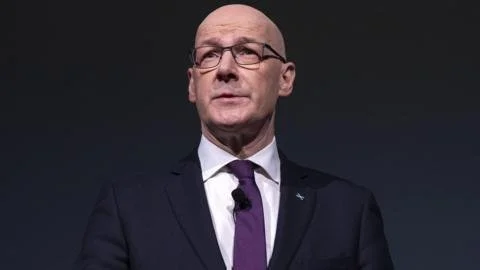
President Donald Trump’s controversial threat to impose tariffs on European allies unless they support his proposed acquisition of Greenland has been met with widespread criticism. Scottish First Minister John Swinney condemned the use of tariffs as a bargaining chip in international relations, asserting that matters regarding Greenland’s future should be determined by the people of Greenland themselves.
Several European nations, including the UK, Denmark, and others, have united in their opposition to Trump’s proposed 10% tariff on imports, which could escalate to 25% this summer if negotiations for Greenland’s takeover fail. In an X post, Swinney emphasized the need for reasonable dialogue instead of threats, warning that such tariffs could endanger transatlantic relations.
The looming tariffs pose significant risks to Scotland’s economy, with popular exports like whisky already facing 10% tariffs. Distillers, such as Jock Ramsay from Glen Wyvis distillery, express concern that increased tariffs could discourage export initiatives to the US, pushing them toward other markets.
Political voices such as Malcolm Offord from Reform UK and Anas Sarwar from Scottish Labour urge a commitment to diplomacy, highlighting the need to respect Denmark’s sovereignty in the Greenland issue. The rhetoric surrounding Trump’s stance has prompted protests in Greenland and Denmark, with slogans like “Greenland is not for sale” gaining traction among locals, emphasizing their desire for autonomy.
As tensions heighten, the European Union plans an emergency meeting to address the situation, where leaders will voice their collective opposition to Trump’s aggressive tactics. Notably, current public sentiment in Greenland shows that 85% of its residents oppose any move towards joining the US, signaling a clear rejection of external pressures in determining their fate.