
Is the NHS Ready for Online GP Bookings? Health Secretary's Bold Claims Meet Doctors' Concerns
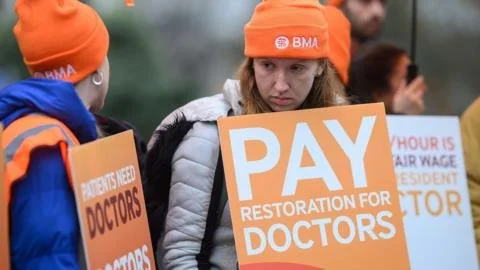
In a surprising assertion, Health Secretary Wes Streeting has described the British Medical Association (BMA) as ”moaning minnies” for opposing the UK’s shift towards online GP appointment bookings. This initiative is part of a government strategy to launch non-urgent appointment options online starting in October, a move that the BMA has contested, citing potential risks to patient safety and overwhelming demand for surgeries. Streeting defended the program by highlighting that over 98% of GP practices have adopted this system, showcasing it as a vital update that brings the NHS into the 21st century.
Recent figures from the Office for National Statistics (ONS) show a notable increase in patients contacting their GP online—over 43% preferred this mode over phone calls. Streeting lauded this progress, framing it as a significant step towards eliminating the notorious early morning scramble for appointments. The government’s directive requires that online booking services operate during specified hours, providing functionalities for non-urgent consultations, symptom reporting, and callback requests.
However, the BMA expresses serious concerns that the new system could compromise patient safety by not triaging urgent requests effectively. Dr. David Wrigley, deputy chair of the BMA’s General Practice Committee, emphasized that without proper filtering, the system poses risks as urgent cases might be neglected. Healthwatch England echoed these sentiments, pointing out that many patients are not fully aware of the system’s limitations—especially regarding its unsuitability for emergency situations. Additionally, feedback from healthcare professionals, like GP Jess Harvey, highlights that many surgeries are already operating at full capacity and feel unprepared for a sudden increase in patient contacts due to the online system. Concerns about funding for the extra workload remain predominant, with calls for financial support to ensure safe operational changes. The government claims to have allocated additional funds and recruited 2,500 more GPs, but the effectiveness of this recruitment remains in question due to the part-time nature of some new hires.