
**Is the UK on the Brink of a £28 Billion Defence Budget Crisis?**
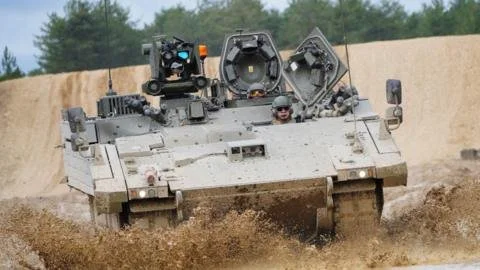
The UK government is grappling with substantial claims regarding a £28 billion defence spending gap as it aims to prepare its armed forces for potential conflicts. Reports indicate that the Ministry of Defence (MoD) has identified a significant shortfall that will necessitate extra funding over the next four years to meet its projected costs, amid mounting geopolitical tensions.
Internal assessments suggest that the MoD’s plans for becoming ’war ready’, which include investments in new military equipment and infrastructure, may far exceed current budget allocations. These plans had been intended for completion last autumn but have now been delayed, with a revised document expected in the spring, which is critical in defining future funding strategies.
The procurement strategy emphasizes enhancements in capabilities like ammunition, next-gen fast jets, drones, and attack submarines as part of a commitment to elevate the UK’s military to a state of war-fighting readiness. The Chancellor and opposition leader Sir Keir Starmer have been briefed on these projections, highlighting the urgent need for reevaluation of the budget amidst evolving military demands, such as possible deployment to Ukraine.
While the government has vowed to enhance the MoD’s budget by 3.6% in real terms by 2029, the funds have been earmarked largely for long-term investments rather than current operational costs. In contrast, the Labour Party plans an increase in overall defence spending from 2.3% to 2.5% of national income, signaling a need for additional resources to meet international obligations.
This is not the first indication of funding issues within the MoD; previous estimates highlighted that its equipment plan was already projected to exceed its budget by £16.9 billion, primarily due to the rising costs associated with the UK’s nuclear weapons maintenance and inflationary pressures. As the MoD strives to finalize its investment plan and identify additional savings, the urgency of the defence spending gap raises critical questions about the UK’s future military readiness and fiscal sustainability.