
Kemi Badenoch's Bold Confrontation: The Budget Clash That Shook Westminster
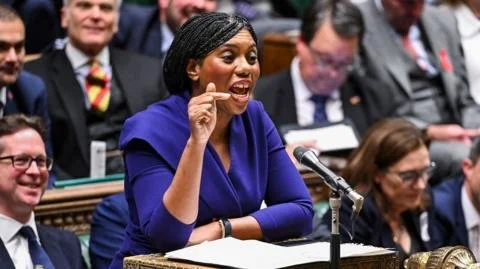
In a heated confrontation within the House of Commons, Conservative leader Kemi Badenoch unapologetically labeled Chancellor Rachel Reeves as “spineless, shameless, and completely aimless” during the recent Budget debate. This clash unfolded as Reeves announced ambitious plans to raise £26 billion through tax increases while abolishing the two-child benefit cap. Furthermore, she extended a freeze on tax thresholds for three additional years, affecting millions of taxpayers.
Badenoch criticized this Budget, dubbing it a “Budget for Benefits Street, paid for by working people,” arguing that Reeves breached pledges not to increase taxes and should consider resigning. Badenoch’s fiery comments indicated her frustration, stating, “God help us! She is spineless… her speech today was an exercise in self-delusion.”
Instead of expressing accountability, Badenoch accused Reeves of indulging in “self-pity” and obsessing over issues of misogyny and mansplaining, asserting that public dissatisfaction stemmed from incompetence rather than gender. In a pointed remark, she stated, “Real equality means being held to the same standard as everyone else.”
Badenoch defended her remarks post-debate during an interview with BBC’s Nick Robinson, arguing that her outburst channeled frustrations from individuals affected by Labour’s policies. Despite facing backlash, including comments from former Lib Dem leader Tim Farron, who condemned her response as unnecessary personal attacks, Badenoch maintained that she was merely fulfilling her duties amid a tough political landscape, asserting, “You can’t please everybody.”
Further in the interview, Badenoch addressed issues beyond the Budget, including her stance on Reform UK and its leader Nigel Farage’s comments regarding NATO and the war in Ukraine. She criticized their perspective as “pro-Putin” and detrimental to national security. In defense of her party’s chairman, she characterized his controversial remarks as “teasing, not calling them Nazis.”
Overall, Badenoch’s combative approach and comments throughout the debate and interview have ignited significant discussion about the intersection of gender, politics, and public policy in contemporary Britain. Listen to the full interview on BBC Sounds for more insights.