
Labour MPs in Crisis: Navigating Loyalty and Dignity Amidst Government U-Turns
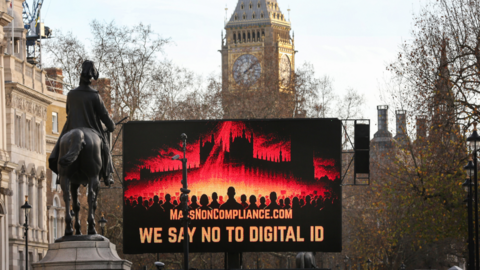
Politics is a game of compromise, and Labour MPs are feeling the pressure as another government U-turn sends ripples of uncertainty through the party. This latest reversal, specifically regarding the digital ID scheme for right-to-work checks, has left many MPs questioning their roles in defending government policies, leading to a tense atmosphere where loyalty clashes with dignity.
A new MP from the North East emphasizes the stark choice Labour faces: ”a choice between loyalty and dignity”. As public trust wanes over the government’s reliability on policy, these MPs must decide whether to back initiatives that could be overturned at a moment’s notice. One MP voices frustration, stating, ”there’s no point defending anything remotely difficult the leadership announces,” highlighting the unpredictable nature of policy announcements.
Following the decision by Sir Keir Starmer to abandon the digital ID plans, reactions among Labour MPs vary. Some express disappointment, believing in the potential of digital ID and criticizing how it was introduced without proper groundwork. Others welcome the reversal, pointing to the cost implications and public unpopularity of the initiative. A minister remarked that it was poorly constructed from the start and lacked strategic foresight, noting ”this really was a case study in how not to do politics.”
There is a prevailing sense of anger and frustration regarding the handling of this policy, echoing sentiments about recent U-turns on business rates and taxation for farmers. One veteran MP asserts that the government suffers from a lack of long-term planning, indicating that policies are implemented without adequate consultation with backbenchers or constituents.
Several MPs also reflect on recent comments from Wes Streeting, hinting at a desire for the government to ”get it right first time.” As murmurs of potential leadership change stir among the ranks, some express their exasperation with the current leadership’s approach, signaling an urgent need for a reset within the party. With tensions mounting, many feel that the party may soon need to re-evaluate its strategic direction and who will ultimately guide it.