
Legal Turmoil: Questions Arise Over Tory Minister's Ties to Sanctioned Billionaire
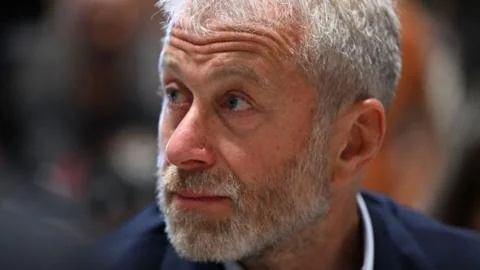
Labour has launched a strong attack on Conservative shadow attorney general, Lord Wolfson, for acting as a lawyer for sanctioned Russian billionaire Roman Abramovich. Justice Minister Jake Richards condemned this dual role as ”indefensible,” suggesting it poses a conflict of interest that endangers his position within the Tory party.
Lord Wolfson is involved in Abramovich’s ongoing legal battle against the Jersey government, stemming from sanctions imposed after Russia’s invasion of Ukraine in 2022. Abramovich’s assets, totaling over £5.3 billion, have been frozen since then, creating serious political and financial implications regarding the proceeds from the sale of Chelsea FC, which he sold for £2.5 billion. This sale has sparked contention, especially with regards to how and to whom the proceeds should be distributed – with considerations for victims of the war in Ukraine at stake.
Richards has questioned whether Lord Wolfson has influenced the Conservative Party’s approach toward the transfer of these frozen funds, emphasizing that any financial interest he may have creates a compromising scenario for his advisory role within the party. In his letters, Richards highlighted the ”cab rank rule”, stressing that while barristers are expected to take on any client, it does not absolve them from avoiding potential conflicts of interest.
In response, Alex Burghart, Conservative shadow chancellor of the Duchy of Lancaster, dismissed Labour’s criticism as political opportunism, asserting that Lord Wolfson’s situation has no bearing on the Chelsea funds’ allocation and that he maintains professional integrity without any conflicting fee arrangement. He emphasized the party’s commitment to ensuring the Chelsea proceeds reach their intended beneficiaries promptly and lawfully.
The ongoing legal disputes and the complicated relationship involving Abramovich, the UK government, and the release of funds from the Chelsea sale illustrate the significant intersection of law, politics, and international relations in contemporary British governance.