
Navigating Political Waters: Why Starmer Stays Silent on Trump's Actions in Venezuela
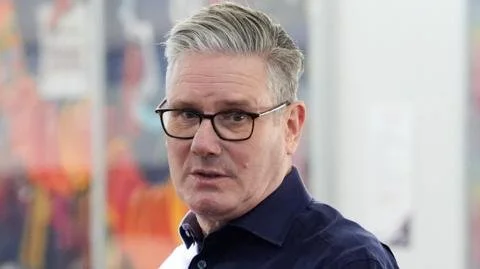
In an intriguing political landscape, Sir Keir Starmer, the leader of the Labour Party, finds himself in a cautious position as he navigates the recent actions of the US regarding Venezuela. Following the capture of Nicolás Maduro and his wife by US forces, Starmer’s response has drawn scrutiny. Despite Labour’s manifesto pledging to be a champion of the international rule of law, Starmer has opted for a muted critique, focusing instead on a ’transition of power’ in Venezuela, a stance that’s been interpreted as considerably bland given the situation’s severity.
Starmer’s strategy stems from a conscious decision to maintain a pragmatic relationship with President Trump, who is known for his unpredictable and often confrontational behavior. It seems that Starmer’s approach is to avoid public confrontations with the Trump administration, believing that public criticism could jeopardize vital diplomatic relations, especially after achieving a successful tariff agreement benefiting British jobs.
This cautious stance has elicited criticism from various quarters, including within his party. While some Labour members privately express discontent with Starmer’s perceived leniency towards Trump, pointing out that his response lacks the necessary strength, others suggest that a more vocal opposition might not align with the UK’s broader interests. Interestingly, even among Conservatives, there seems to be support for the government’s evasive approach towards Trump, highlighting a complex political environment where the balance of international diplomacy weighs heavily on public rhetoric.
As the narrative unfolds, criticisms from alternate parties like the Liberal Democrats and the Scottish National Party amplify the calls for a firmer stance against Trump’s actions, contrasting sharply with the more reserved position held by Starmer. While outlining the need for a strong response, Starmer’s calculated avoidance of direct criticism raises questions about the effectiveness and implications of such political pragmatism amid escalating global tensions.