
Pavement Parkers Beware: Councils Set to Crack Down with New Fining Powers
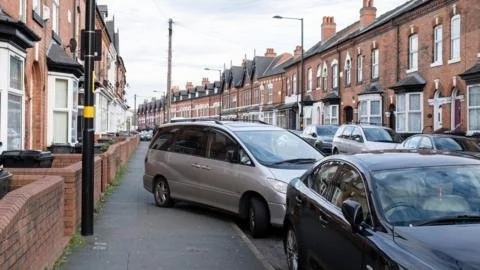
Councils across England are gearing up to tackle the growing issue of pavement parking with newly granted enforcement powers that will allow them to impose fines on motorists who create disruptions. This significant change, set to roll out later this year, will empower local authorities to act more decisively against pavement parkers, addressing concerns raised by blind individuals, parents with pushchairs, and those using wheelchairs, for whom clear pathways are essential for safe movement.
Currently, pavement parking is outright banned in London and Scotland, while other regions in England can only impose restrictions on specific street segments. The government believes that broader powers will enable councils to manage the most severe cases more effectively. As it stands, only police officers can penalize drivers causing obstructions, while council enforcement officers have limited options confined to on-road violations.
Transport Minister Lilian Greenwood highlighted that the proposed new powers would grant councils the ability to fine those causing unnecessary obstruction on pavements without requiring additional traffic signage. The criteria for determining what constitutes unnecessary obstruction will ultimately be left to council officers. The change aims to simplify enforcement practices currently hampered by the need for resident consultations and the installation of prohibitory signs.
Nevertheless, the lack of clarity about how these new regulations will be defined has drawn mixed reactions. While local councils will have the flexibility to develop tailored policies, concerns have been raised about their ability to adequately enforce the rules. A recent government consultation revealed a divided opinion on a suggested 20-minute exemption for delivery vehicles, with some fearing it could turn into a means for councils to increase revenue.
Living Streets, a charity advocating for pedestrian rights, expressed cautious optimism at the prospect of progress after years of inaction, yet lamented that no nationwide ban has been established. The charity warned that having varying enforcement measures at the local level could lead to inconsistencies, ultimately heightening risks for all road users. As legislation progresses toward a comprehensive set of national standards, the local approach promises to reshape how councils manage public road safety.