
Starmer Faces the Trump Challenge: A Shift in Strategy Amidst Labour Pressure
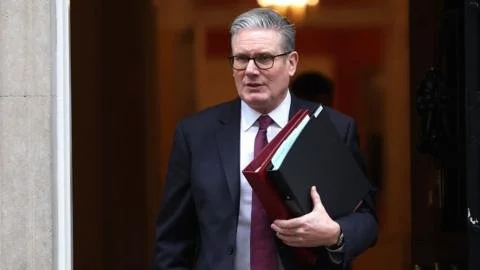
In a dramatic turn of events, Prime Minister Sir Keir Starmer altered his tone towards US President Donald Trump, asserting he “will not yield” during a recent Prime Minister’s Questions. This shift comes amid rising pressure from Labour MPs who are frustrated with Starmer’s previously warm approach to Trump, particularly following a critical post Trump made on Truth Social. Critics within his party are voicing concerns that the Prime Minister’s attempts to foster a positive relationship with the US leader have not yielded tangible benefits and could be perceived as appeasement in hindsight.<br><br>Several insiders suggest that Starmer should adopt a more robust stance against Trump, taking cues from Mark Carney, who emphasized the need for middle powers to act decisively amid changing global dynamics. Starmer’s strategy has revolved around utilizing the Royal Family’s influence, aiming for a diplomatic rapport that now seems threatened following Trump’s latest accusations of stupidity towards him.<br><br>Despite his hardened rhetoric in PMQs, there are fears that Starmer’s approach lacks the ideal aggression some Labour members desire, with calls for stronger measures such as retaliatory tariffs against the US. The internal friction among Labour MPs is intensifying, particularly with upcoming local elections on the horizon, where Starmer faces potential challenges from the Greens and Liberal Democrats.<br><br>Evident concerns are also raised regarding the diplomatic landscape, as critics point to a lack of skilled ambassadors in both the UK and the US, highlighting the absence of key figures like Warren Stephens, the US ambassador in London, who has been notably inactive. This diplomatic vacuum further complicates Starmer’s position as he seeks to navigate geopolitical tensions while maintaining support from his party.<br><br>Overall, the article underscores a critical moment for Sir Keir Starmer as he grapples with balancing party unity and effective foreign diplomacy amidst an unpredictable international landscape.