
Starmer's Leadership under Fire: A Closer Look at Labour's Internal Dynamics
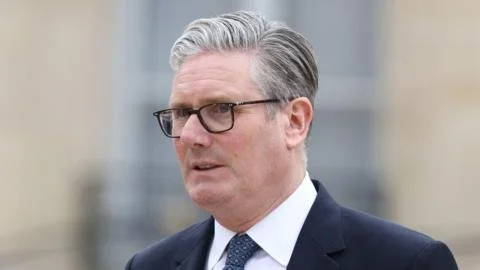
Keir Starmer, the leader of the UK Labour Party, is facing scrutiny about his position within the party amid whispers of discontent among his Members of Parliament (MPs). Recently, Starmer made a bold assertion, claiming that a majority of Labour MPs are still firmly behind his leadership. This statement comes at a time when divisions are more pronounced, causing many political analysts to question the unity within the ranks of the Labour Party.
Starmer’s confidence appears to be both a defensive and a strategic maneuver, as he attempts to consolidate his leadership in the face of significant challenges. Critics have raised concerns about his handling of key issues, including policy direction and how effectively he has communicated his vision to both MPs and the broader party membership.
Throughout this chapter in Labour’s history, the tension between various factions within the party—the traditional left-wing members versus those who align more with the center—becomes evident, as does the impact of recent electoral setbacks. Starmer’s efforts to foster a sense of stability and direction are crucial not only for his own leadership credibility but also for the upcoming elections and the party’s long-term viability.
In summary, while Keir Starmer maintains that the majority of his MPs are on his side, the underlying tensions suggest a party at a crucial crossroads, requiring careful navigation and unification ahead of pivotal political contests. The implications of Starmer’s leadership claims could significantly shape Labour’s trajectory in the coming months.