
The Controversial Debate: Are Safeguards Enough in Assisted Dying Laws?
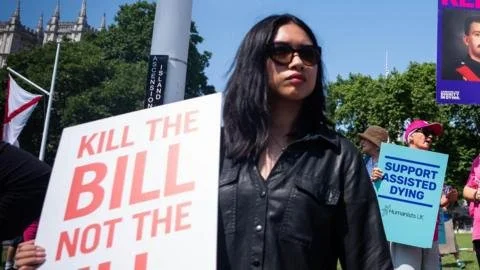
In the recent discussions surrounding assisted dying laws in Wales, the Welsh Health Minister has raised concerns about the adequacy of existing safeguards. Despite the growing advocacy for these laws, which aim to provide terminally ill patients the option for a dignified end to their lives, the minister emphasizes that current provisions may not sufficiently protect vulnerable individuals.
The article delves into the complexities of introducing assisted dying legislation, highlighting issues such as mental health assessments, the possibility of coercion, and the implications for palliative care. Emphasizing the necessity for a robust support system, the Minister argues that it is crucial to ensure that all individuals considering this option are fully informed and not unduly influenced by their circumstances or societal pressures.
Moreover, the potential for abuse of such laws is a major point of contention. Advocates for assisted dying argue that, with the right framework and safeguards in place, individuals should have the autonomy to choose their own fate, while opponents warn of the ethical and moral dilemmas posed by such decisions.
The dialogue continues to evolve as lawmakers, health professionals, and the public engage in this poignant issue, balancing the desire for compassion and autonomy with the need for stringent protective measures.