
The End of an Era: Bidding Farewell to 700 Years of Hereditary Peers
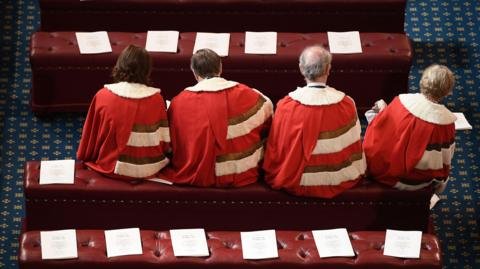
In a monumental shift echoing through British history, the long-standing system of hereditary peers has been officially abolished. This decision marks the closure of a 700-year-old tradition, where titles and privileges were passed down through generations, allowing certain families a privileged seat in the House of Lords.
The reform, which has stirred significant public and political discourse, highlights the evolution of the British Parliament towards a more democratic system that reflects modern societal values. Critics argue that the system perpetuated inequality and privilege, while supporters lament the loss of historical traditions that shaped the nation’s identity. As the last hereditary peers prepare for their farewell, they reflect on the privileges and responsibilities held over centuries and the legacy they leave behind.
This pivotal moment compels us to consider the future of the legislative body in a world increasingly favoring meritocracy over inherited status, prompting discussions on how this change will impact governance in the UK moving forward.